Posts Tagged ‘digestive health’
Health Benefits of Psyllium (and Why It’s My Favorite Supplement)
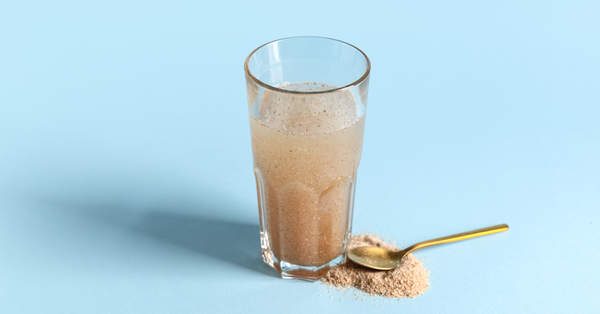
When you think of psyllium (or maybe Metamucil), you might picture an orange drink your father took for constipation. But here’s the thing: psyllium is so much more than a bathroom aid. As a registered dietitian, I don’t toss around the phrase “favorite supplement” lightly, but psyllium has earned its spot on that list. Many…
Read MoreConstipation Relief: 15 Evidence-Based Strategies That Work
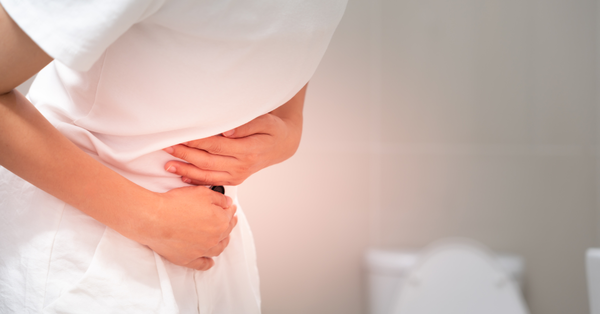
Constipation is no fun. The bloating and abdominal discomfort that often come with it can be uncomfortable and sometimes even painful. It is also something many people feel awkward talking about, even though most of us have experienced it at some point. In fact, constipation affects an estimated 8 to 12 percent of adults, making it…
Read MoreThe Low FODMAP Diet: What It Is and Who it Helps
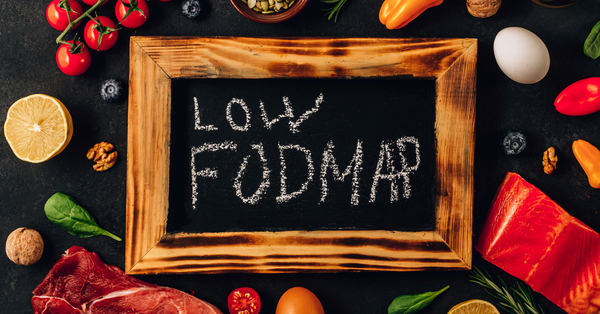
Do you frequently experience bloating, gas, abdominal discomfort, or unpredictable digestion after eating? If these symptoms occur regularly, your doctor may evaluate you for irritable bowel syndrome (IBS), a common digestive condition affecting about 10–15% of adults worldwide. Years ago, IBS was often dismissed as a condition related to stress or a “nervous stomach.” Today we know…
Read MoreWhy You Need Prebiotics for Health and What Foods Contain Them
I’m writing this blog post because most of my clients eat on the run and/or may be following a lower carb diet. Most of our diets are lacking in this “overlooked” nutrient that is essential for good health! This blog post is lengthy and a little “sciencey” … but try to read it! You’re probably…
Read MoreWhy Prebiotics are Important for PCOS and Where to Find Them
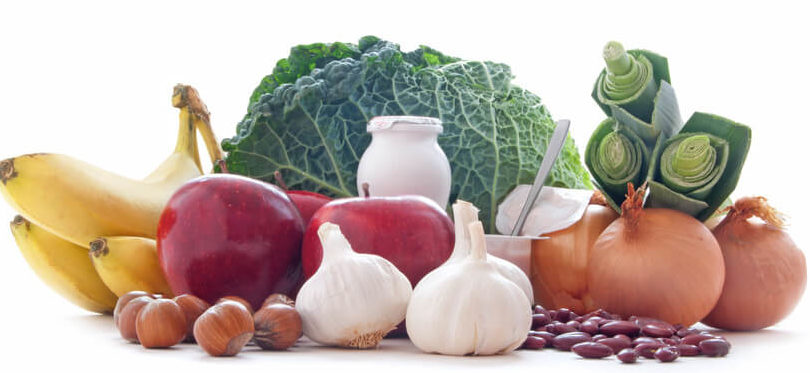
I usually recommend that most of my patients with PCOS eat a moderately low carb, low glycemic diet. Some women take their carbs even lower by following a very low carb diet, and others go as low as to be on a ketogenic diet. The outcome – your diet ends up being low in an “overlooked”…
Read More